OPSEC Fundamentals: The Five Pillars of Dark Web Anonymity
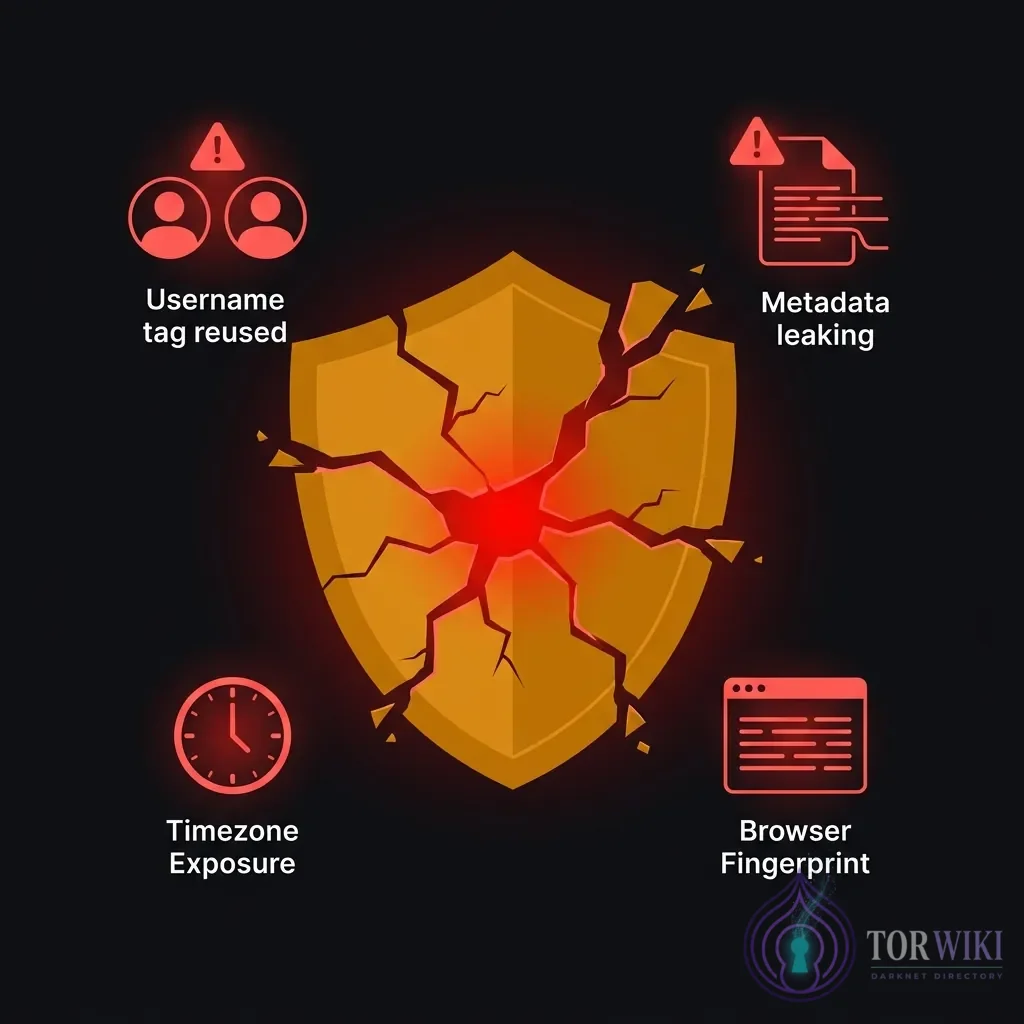
Operational Security (OPSEC) is the discipline of identifying critical information and assessing vulnerabilities that could compromise your privacy. In darknet commerce, technical tools like Tor and Monero are only as strong as the human behaviors governing them.
Pillar 1: Complete Identity Separation
Your darknet pseudonym must have zero cryptographic, linguistic, or metadata overlap with your clearweb persona. Never reuse passwords, usernames, email addresses, or common biographical anecdotes.
Pillar 2: Behavioral Consistency
Adversaries analyze behavioral patterns over time. Log in at randomized hours, never reveal your geographic time zone, and maintain consistent cryptographic habits regardless of transaction size.
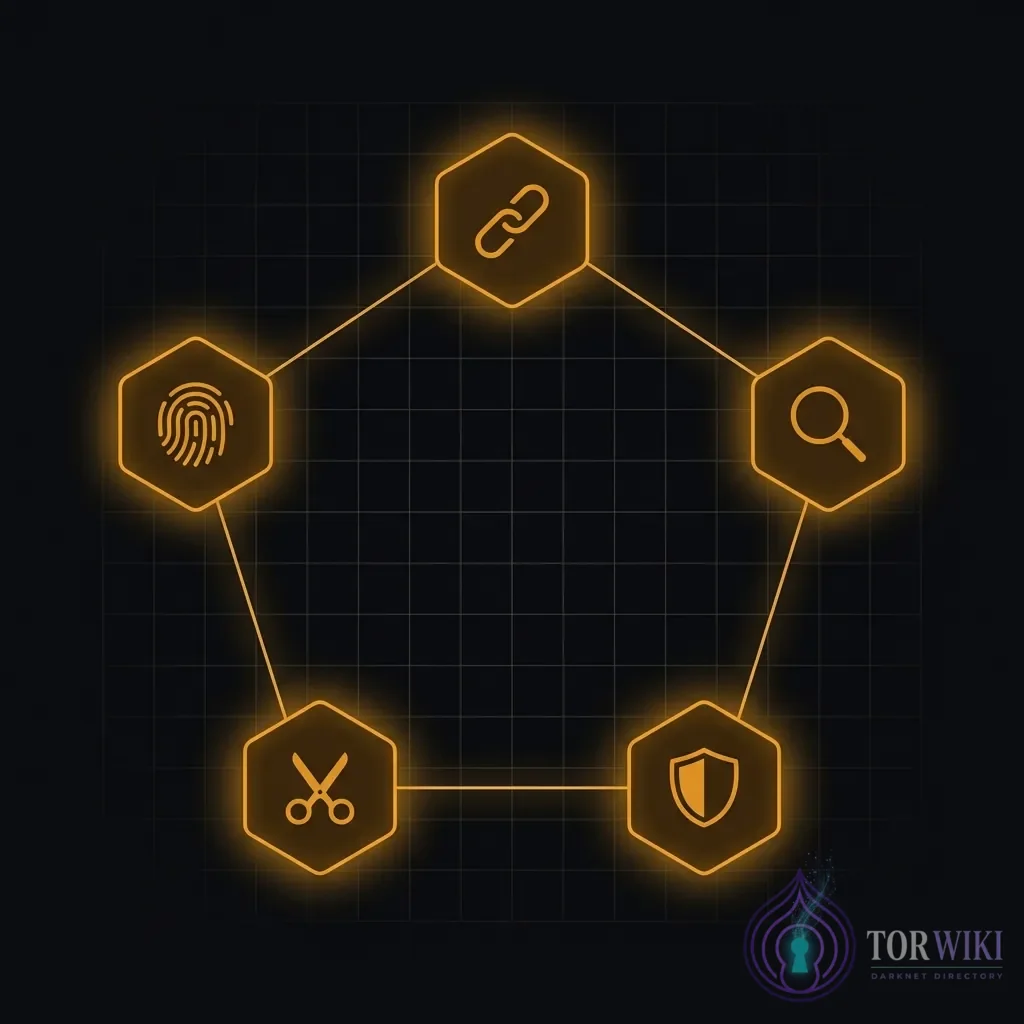
Pillar 3: Compartmentalization
Isolate different operational roles across dedicated hardware. Maintain separate PGP keys and cryptocurrency wallets for different platforms to prevent cross-contamination if one market is compromised.
Pillar 4: Data Minimization
Store the absolute minimum amount of operational data. Encrypt delivery addresses using the vendor's public PGP key immediately before dispatch, and permanently shred local order records.
Pillar 5: Continuous Verification
Never trust a bookmark blindly. Verify mirror addresses against official PGP canaries before authenticating or funding your wallet.